
An Ageless Institution: The Sovereign Legacy of the Kingdom of Kooki
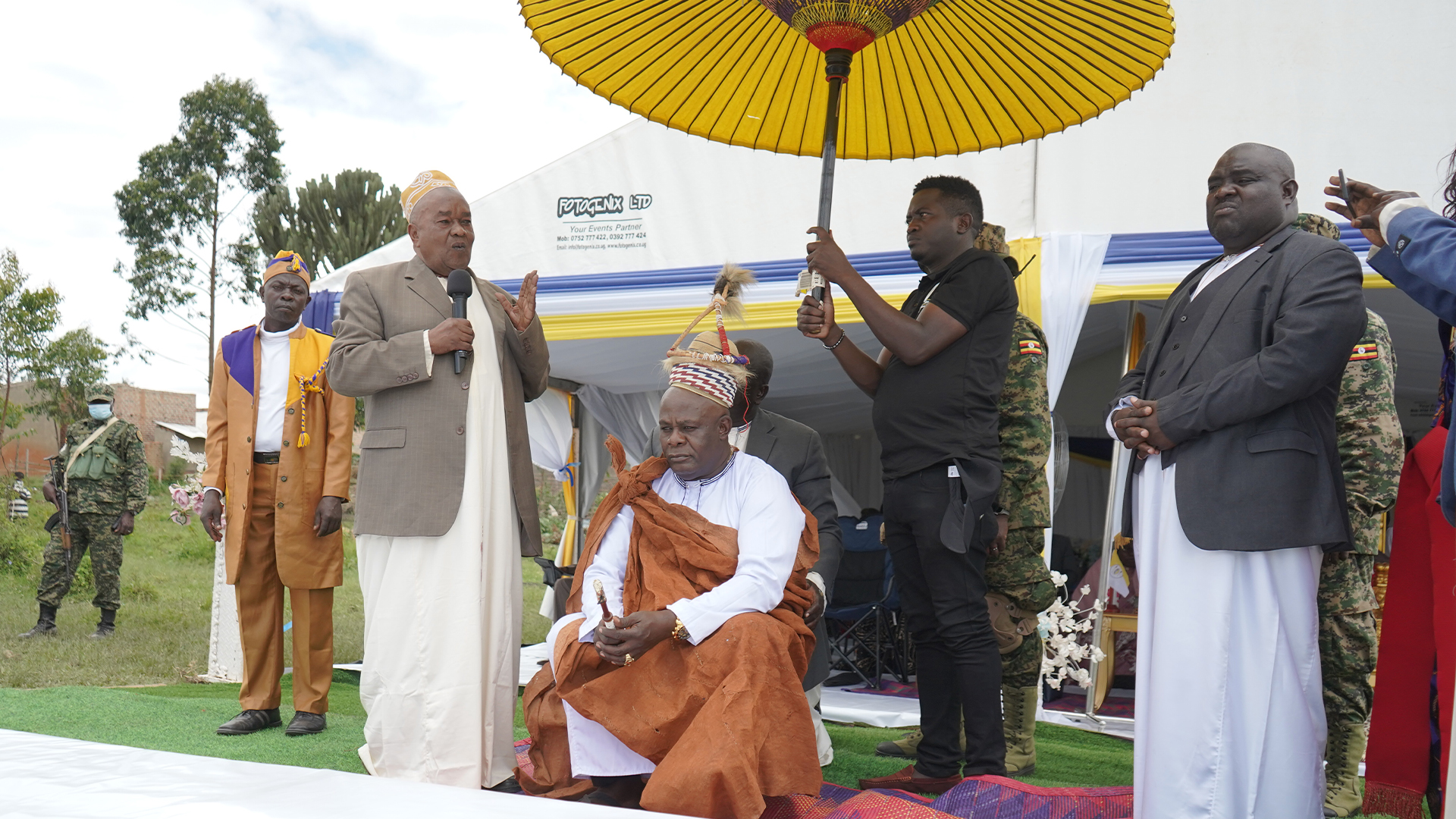
In the intricate tapestry of Uganda’s cultural heritage, few institutions command the unique reverence and historical gravitas of the Kingdom of Kooki. Nestled within the verdant hills of the present-day Rakai District, this sovereign entity is not a mere administrative appendage but a historic monarchy with a dynastic lineage stretching back to approximately 1740. At the apex of this royal hierarchy sits His Royal Highness Apollo Sansa Kabumbuli II, the reigning Kamuswaga. Unlike conventional regional leaders, the Kamuswaga presides over a kingdom that retained its distinct royal drum, autonomous palace, and hereditary sovereignty through a binding 1896 accord with the neighboring Kingdom of Buganda. As the custodian of this unique monarchical status, HRH Kabumbuli II embodies a bridge between the pre-colonial grandeur of the Kooki Kingdom and its dignified, enduring presence in modern Uganda.
A Milestone of Matriarchy and Strategic Health Advocacy
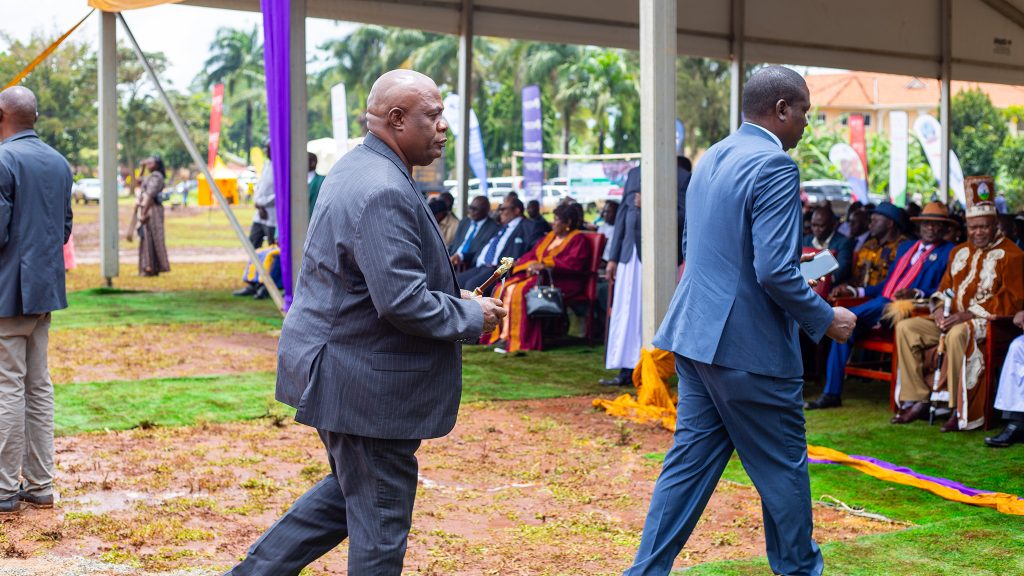
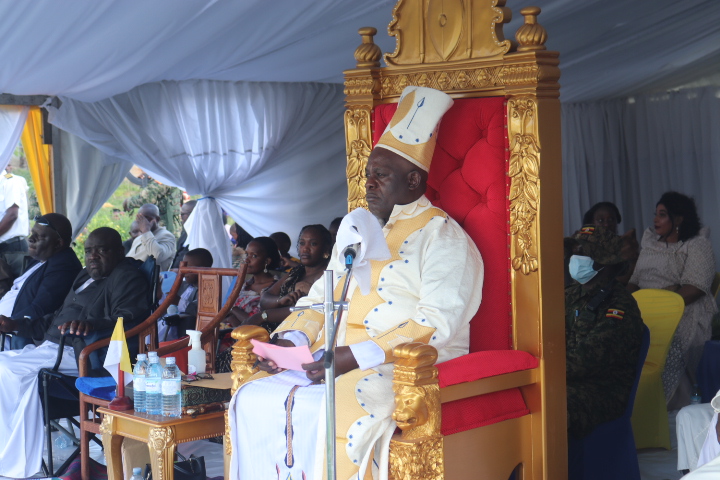
On the 19th of April, 2021, the corridors of the Kamuswaga’s Royal Palace in Rakai Town were the setting for a subdued yet profoundly significant state function: the 50th birthday celebration of the hereditary monarch. Adhering to strict public health protocols necessitated by the global pandemic, the attendance was strategically capped at just over 200 guests, prioritizing cabinet ministers, clan heads, and diplomatic dignitaries. In a manner befitting a Head of State addressing regional allies during a period of uncertainty, the Kamuswaga utilized his royal birthday address not for mere festivity but for strategic foresight. Demonstrating the interconnected fraternity of the region’s royal houses, HRH broke with standard protocol to address the fragile health of the Kabaka of Buganda, Ronald Muwenda Mutebi II. He called for inter-denominational divine intervention, articulating a doctrine of royal solidarity: “When something is bad with him, I feel bad too. Besides, our forefathers were good friends and so should we.”
The Weight of History and the 1896 Accord
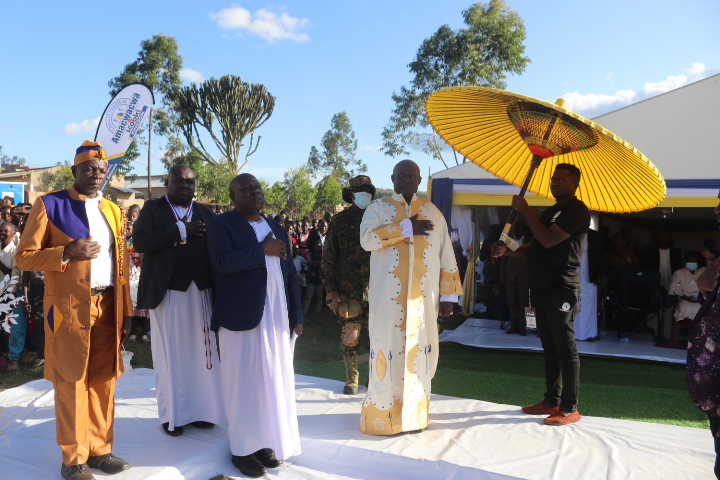
To understand the political economy of the Kamuswaga’s royal jubilee, one must review the “Articles of Agreement” signed at Mengo on November 18, 1896. This document, witnessed by British Commissioner Ernest James Lennox Berkeley, formalized a relationship between two sovereign kingdoms—Kooki and Buganda—rather than the subjugation of a lesser entity. The contract stipulated the retention of the Kamuswaga’s full royal regalia, a special parliamentary seat in the Lukiiko, and, crucially, hereditary autonomy over the Kingdom’s internal affairs. The recent birthday of HRH Kabumbuli II occurs against a backdrop of renewed assertions of this royal autonomy. As the leader of a kingdom that has recently invested in reviving the Lukooki language and distinct national symbols, the Kamuswaga navigates a complex portfolio—honoring historic treaties while aggressively pursuing the economic and cultural diversification of his royal domain.
Preserving the Royal Portfolio: The Royal Museum and Economic Development
Demonstrating a sophisticated approach to soft power and fiscal sustainability, the Kamuswaga’s administration has moved beyond ceremonial rites to tangible capital development within the Kingdom. In a strategic move mirroring corporate diversification, the Kooki royal government launched the Kooki Royal Museum in May 2015, timed initially with the 11th coronation anniversary of the King. This repository, which now houses the original royal crown from the 1740s and correspondence from historic monarchs, is part of a larger “Kamuswaga Royal Park” project. This development, featuring a state conference hall and luxury cottages, signals a deliberate pivot toward cultural tourism as an economic engine for the Kingdom. For the citizens of Kooki, the monarch’s birthday serves as an annual audit of this progress—measuring success not in quarterly profits, but in the preservation of royal heritage assets and the empowerment of local governance under the Kingdom’s distinct authority.
A Vision for the Future: Continuity and Royal Sovereignty
As His Royal Highness marks another year of life, the strategic outlook for the Kingdom of Kooki remains one of persistent affirmation of identity and dignified autonomy. While the 1896 agreement defined relations with Buganda, the consistent legal and cultural interpretation—upheld by the royal court and the Sababiito (hereditary cultural heads)—is that the Kamuswaga is not an appointee from Mengo but a sovereign genetic heir of the Babiito bloodline. The anniversary of the Kamuswaga’s birth is therefore a reaffirmation of the Kingdom’s uninterrupted legitimacy. In his golden jubilee address, HRH Apollo Sansa Kabumbuli II proved that the modern monarch must be part custodian, part CEO, and part diplomat. By prioritizing the health of regional allies and overseeing infrastructure projects like the Royal Park, the Kamuswaga ensures that the Kingdom of Kooki, though navigating a complex constitutional landscape, remains imperishable in influence,